Loading
.png)




 Evidence-Based Early Learning
Discover how neuroscience and educational research shape our approach to early childhood learning


Contemporary research in neuroscience and early childhood education continues to affirm what educators have long observed: the early years form the foundation for lifelong learning, behaviour, and well-being. Advances in brain science now offer deeper insight into how rapidly and powerfully young children grow during this period.
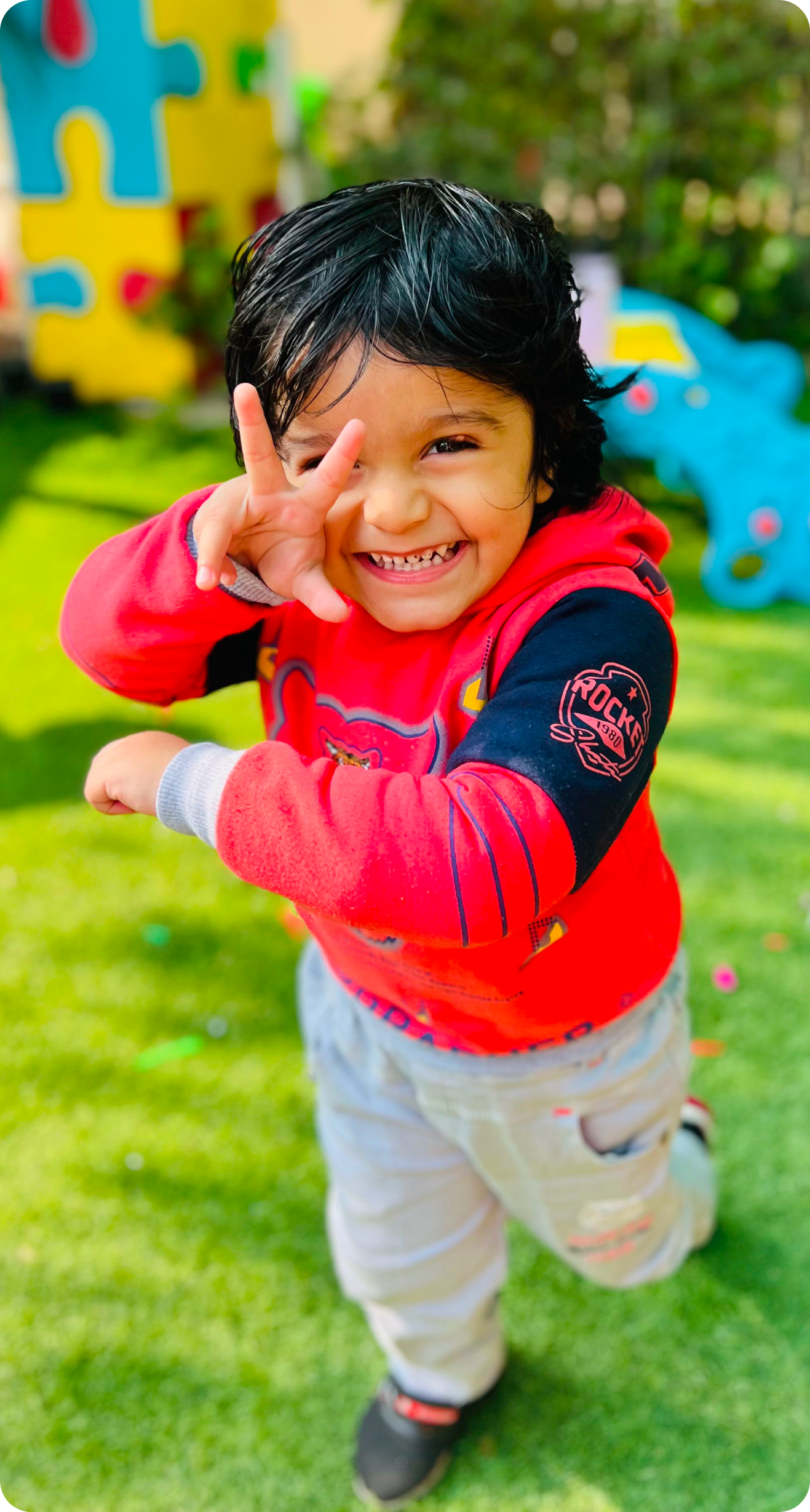
Studies show that from birth through the early childhood years, the brain develops at an extraordinary pace, forming millions of neural connections every second. By the age of three, a significant proportion of brain architecture responsible for learning, emotional regulation, language, and social interaction is already in place. Young children are not passive recipients of care—they are active thinkers, capable of problem-solving, pattern recognition, and meaningful social understanding far earlier than previously believed.
Research also highlights the critical role of a child’s environment in shaping this development. Responsive relationships, emotionally secure settings, rich language exposure, purposeful play, and thoughtfully designed learning spaces all directly influence how children learn and thrive. The quality of early experiences does not merely support development—it actively shapes it.
.png)
Millions of neural connections per second
.png)
Active learners from day one
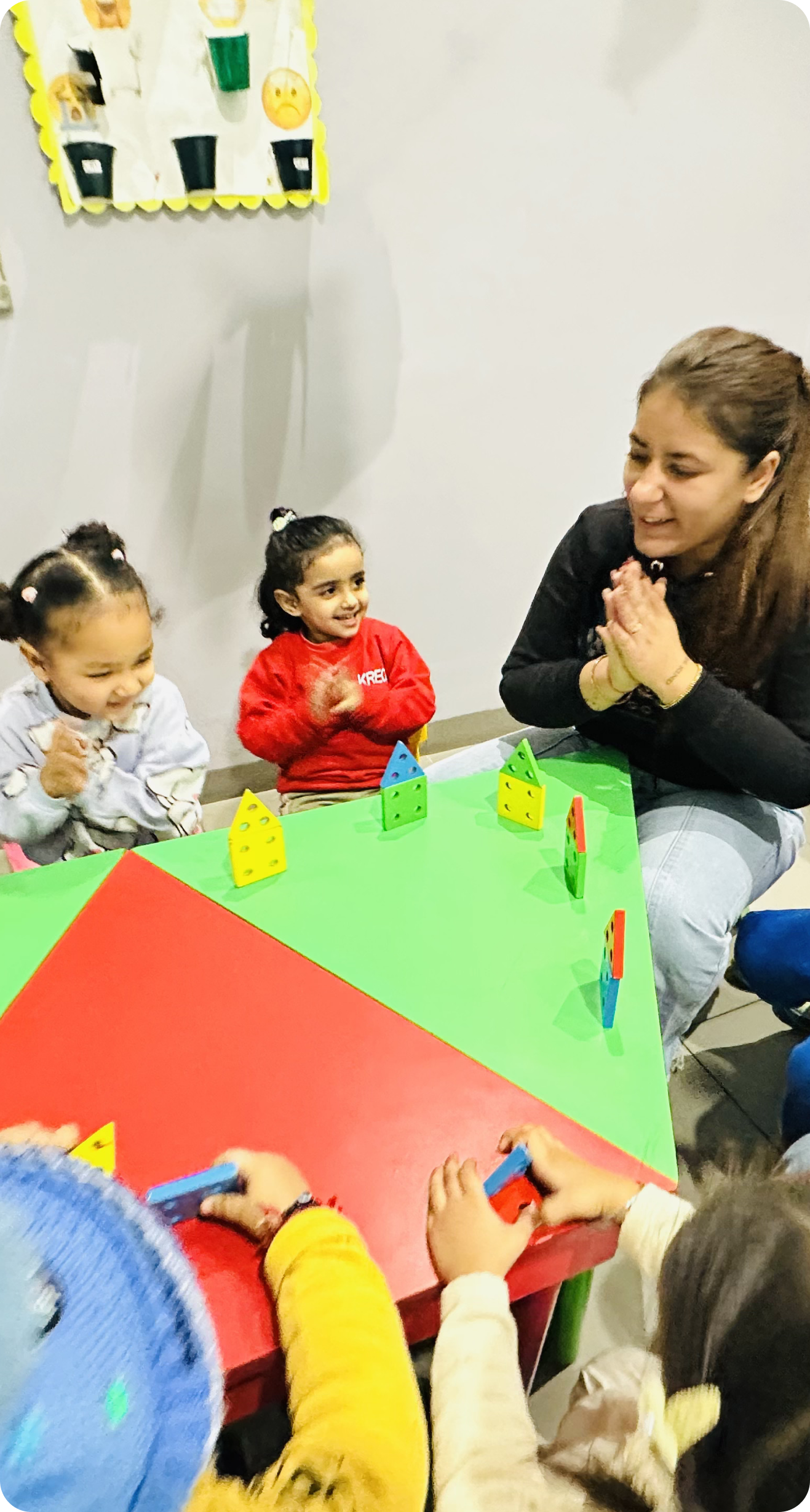
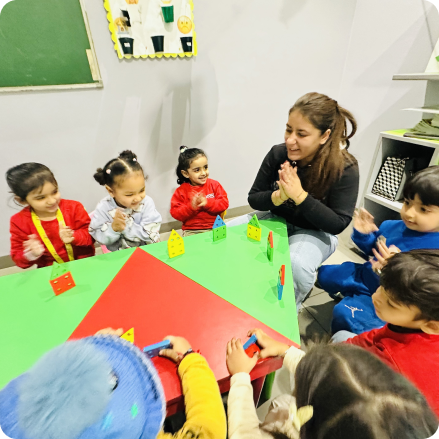
Educational research consistently emphasises that early learning does not occur in isolation. It unfolds within relationships—between children and teachers, children and peers, and between home and school. Secure attachments and respectful interactions provide the emotional safety children need to explore, question, and grow with confidence.
When families and educators work together, children benefit from consistency, trust, and shared purpose. Strong home–school partnerships enhance learning outcomes and support the social and emotional development that underpins academic growth in later years.
.png)
Home–school collaboration creates consistency, builds trust, and supports holistic child development through shared values and communication.
.png) Neuroscience
Neuroscience
.png) Research
Research
.png) Relationships
Relationships
.png) Development
Development
We warmly invite you to visit Kreon and experience our spaces, and see how our blend of thoughtful environments, global pedagogy, and nurturing care comes together to support every child’s unique potential.
Schedule a Visit